
date published
Mar 30, 2026
reading time
5 min read
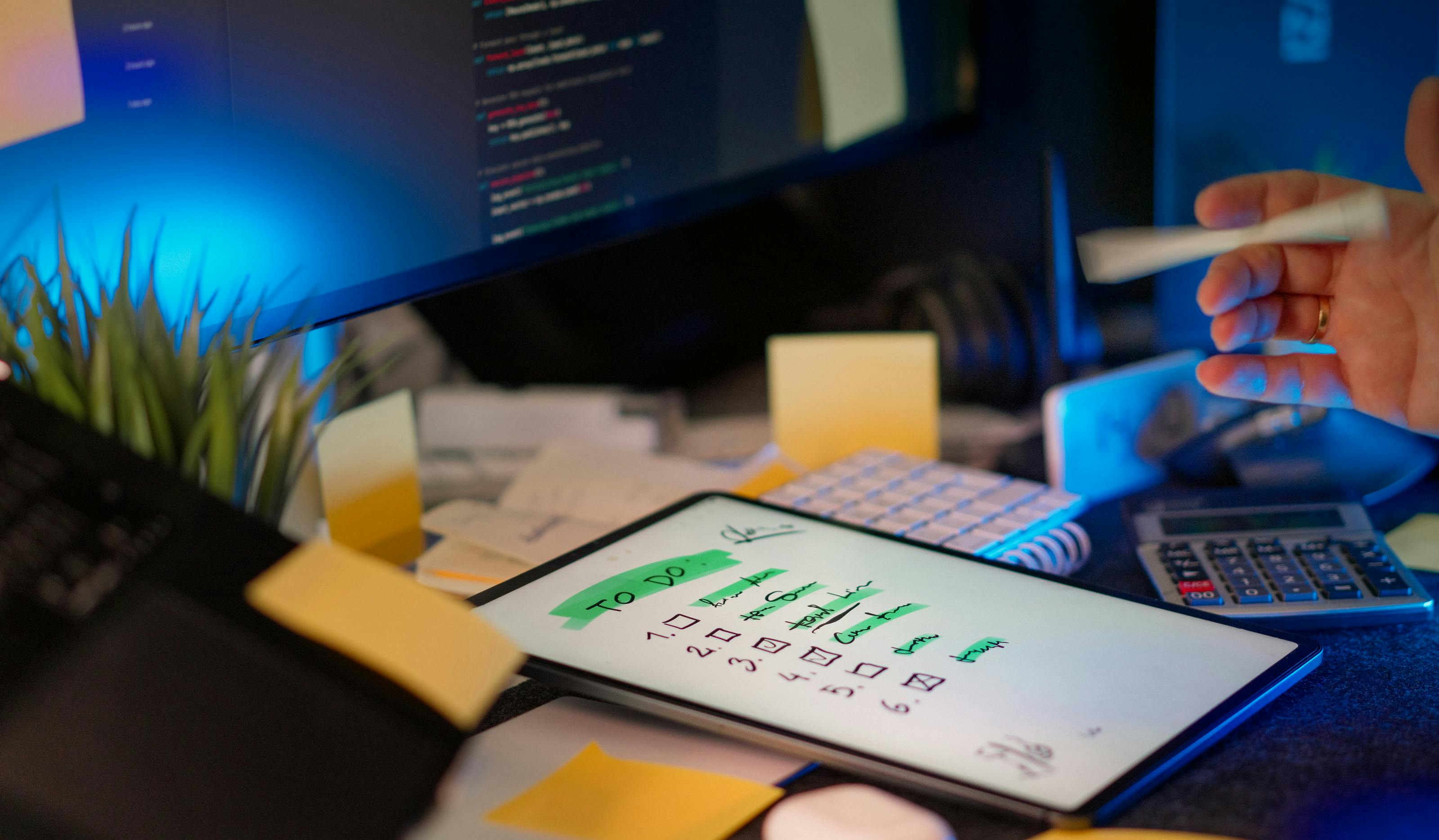
You start the day with a to-do list. Twelve items, neatly written, maybe even prioritised. By noon, you’ve done two of them, added three more, and spent the rest of your morning in meetings you didn’t plan for.
By evening, the list is longer than when you started. You feel busy. You don’t feel productive.
If this sounds familiar, it’s not because you lack discipline. It’s because to-do lists are fundamentally broken as a productivity tool. They capture what needs doing, but they don’t help you actually do it.
The problem with to-do lists
To-do lists feel productive. The act of writing things down creates a sense of control. But that feeling is deceptive, because a list doesn’t answer the three questions that actually determine whether you get things done:
What should I work on right now?
How long will each task actually take?
What happens when my plan falls apart?
A to-do list can’t answer any of these. It’s a static record of intentions, not a dynamic plan for execution. And that gap between intention and execution is where productivity goes to die.
To-do lists create decision fatigue
Every time you glance at your list and choose what to work on next, you’re making a decision. It might seem trivial, but research on decision fatigue shows that every choice you make throughout the day depletes a finite pool of mental energy.
A 10-item list doesn’t present one decision. It presents dozens of micro-decisions: What’s most urgent? What’s most important? What can wait? What depends on something else? What do I have energy for right now? Multiply that by every time you finish a task and return to the list, and you’ve spent a significant chunk of your cognitive resources on planning instead of doing..
Lists don’t account for time
A to-do list treats “reply to Sarah’s email” and “finish the quarterly report” as equivalent items. One takes 2 minutes. The other takes 4 hours. Your list doesn’t know the difference.
This leads to a common trap: you spend the morning ticking off small, easy tasks because it feels productive. The dopamine hit of crossing things off is real. But the big, important task, the one that actually moves the needle, keeps getting pushed to tomorrow.
Without time estimates built into your planning system, you’re flying blind. You end the day with 8 items checked off and the one that mattered still untouched.
They break when life changes
To-do lists are static, but your day isn’t.
A meeting gets added. A deadline moves forward. Your manager drops something urgent on your desk. A client calls with a crisis. Within an hour, the neat list you made this morning is irrelevant.
Most people respond to this by mentally reshuffling, scanning the list again, deciding what can wait, reprioritising on the fly. That’s more decision fatigue on top of the decisions you were already making.
The best productivity systems don’t just capture tasks. They adapt when things change, automatically, without requiring you to burn energy replanning.
So what actually works?
The research on productivity consistently points to the same principles: reduce decisions, assign time to tasks, and build systems that adapt.
1. Time blocking over listing
Instead of a list of what to do, schedule when you’ll do it. Putting a task on your calendar forces you to confront how long it will take and whether you actually have the capacity. It also removes the “what should I do next?” decision entirely — you just follow the schedule.
2. Prioritisation built into the system
Rather than manually deciding what’s most important every time you check your list, use a system that prioritises for you. Whether that’s a simple framework like the Eisenhower matrix or an AI-powered prioritisation engine, the goal is the same: remove the decision from your plate.
3. Automatic replanning
The best systems don’t assume your plan will survive the day. They’re built for change. When something shifts, the system reshuffles your remaining tasks without requiring you to manually reorganise everything.
A better approach to planning
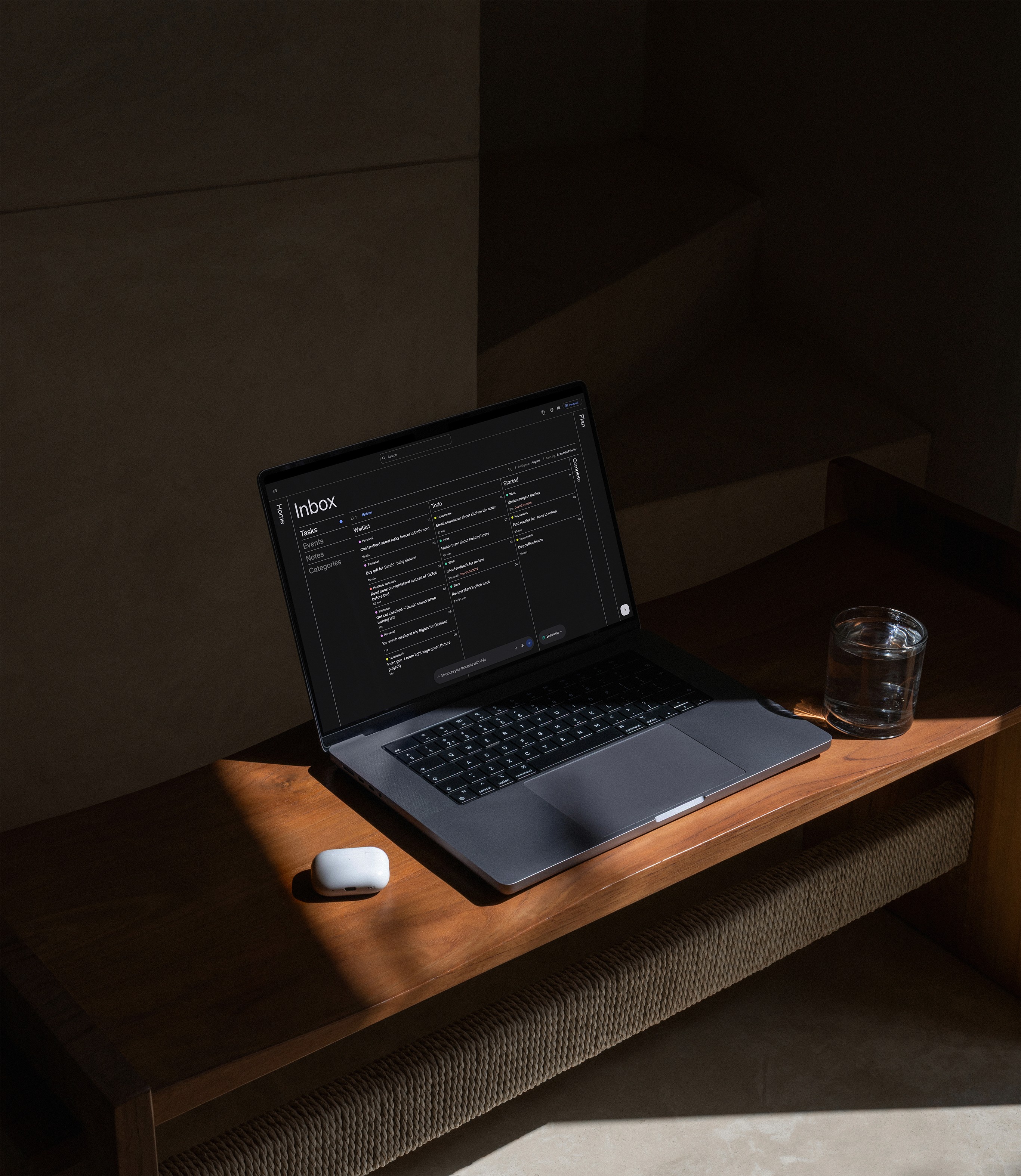
This is exactly why we built Via. Instead of giving you a blank list and expecting you to be your own project manager, Via does the planning for you.
You capture your tasks however you think: a voice note, a typed list, a messy brain dump. Via’s AI structures them, estimates durations, sets priorities, and builds a schedule that fits your day and your energy levels. When things change, your plan adapts automatically.
It’s a productivity system that answers the three questions your list never could: what to do now, how long it’ll take, and what to do when everything shifts.
Stop managing a list. Start following a plan.
Via plans your day automatically so you can focus on the work that matters.
Subscribe to our newsletter
See also
Discover what productive looks like
30 second setup • 14 day free trial