date published
Apr 18, 2026
reading time
5 min read
Designing a better Planner
We've spent a long time thinking about how people plan their days, and an even longer time failing at it ourselves. Via started as a personal frustration. We tried everything: paper planners, digital apps, sticky notes. Every tool would work for a week, maybe two, and then we'd quietly abandon it. So we set out to understand why, and to build something better.
Prioritisation
We think this is the number one reason planners fail. Every system we tried handled prioritisation the same way, a flat list, maybe with a star or a single label. It was too simplistic. You'd end up paralysed, staring at a list of 10 tasks all tagged “urgent”.
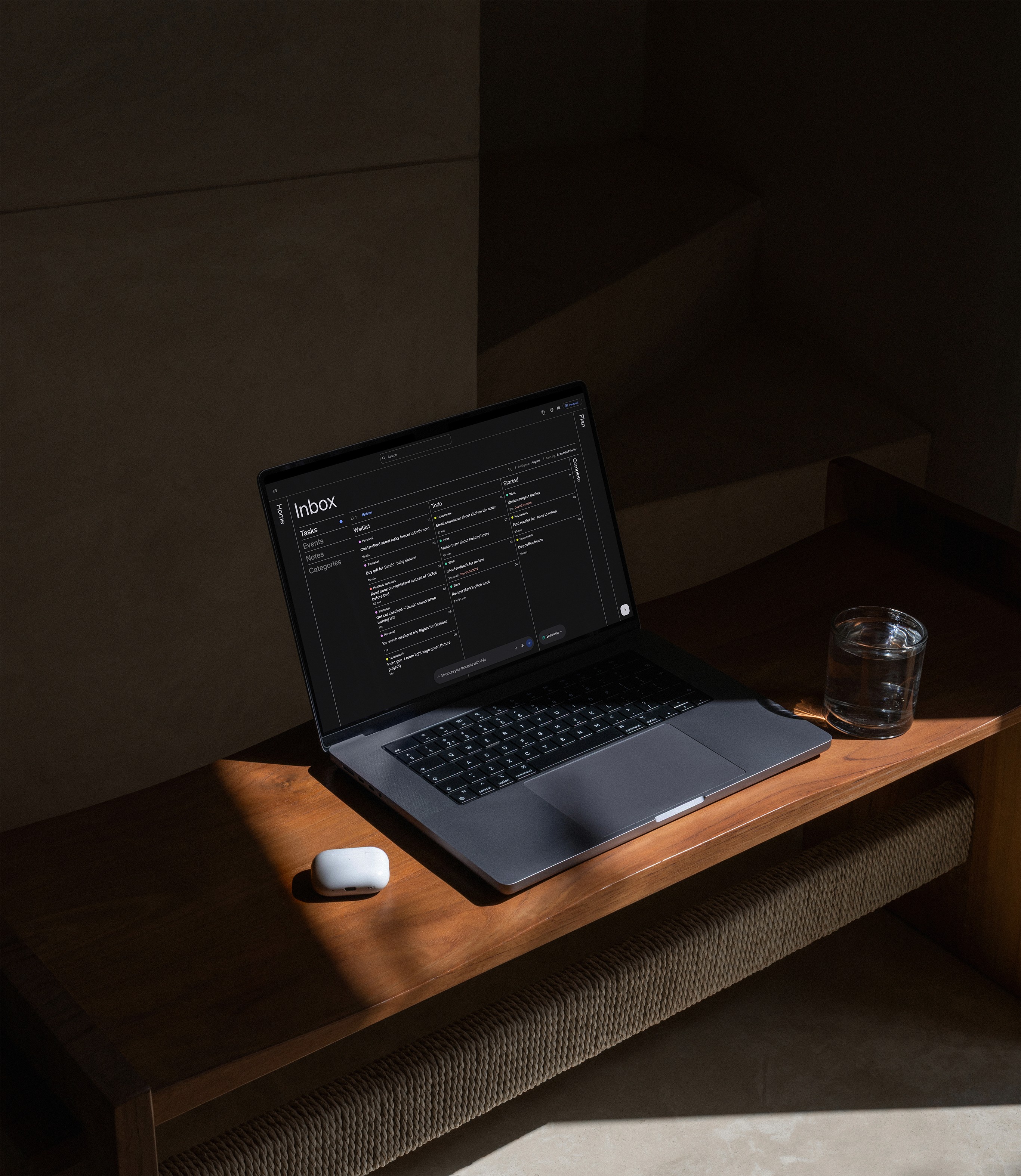
To address this, we implemented a prioritisation algorithm that takes a different approach entirely. Instead of relying on a single metric, we built a system that combined all the factors that go into deciding what needs to be done first: How important the task is, how much effort it requires, how long you think it will take, how urgent it is, and how long you've been avoiding it. The system runs automatically every time you add a task, though you can always adjust it by hand.
It effectively cuts out the overwhelm. You open the app and you know, clearly and immediately, what to do next and in what order. That alone was a breakthrough for us.
Capture
When you've got a million things spinning around in your head, sitting down in front of a blank task list doesn't help you think, it just adds pressure.
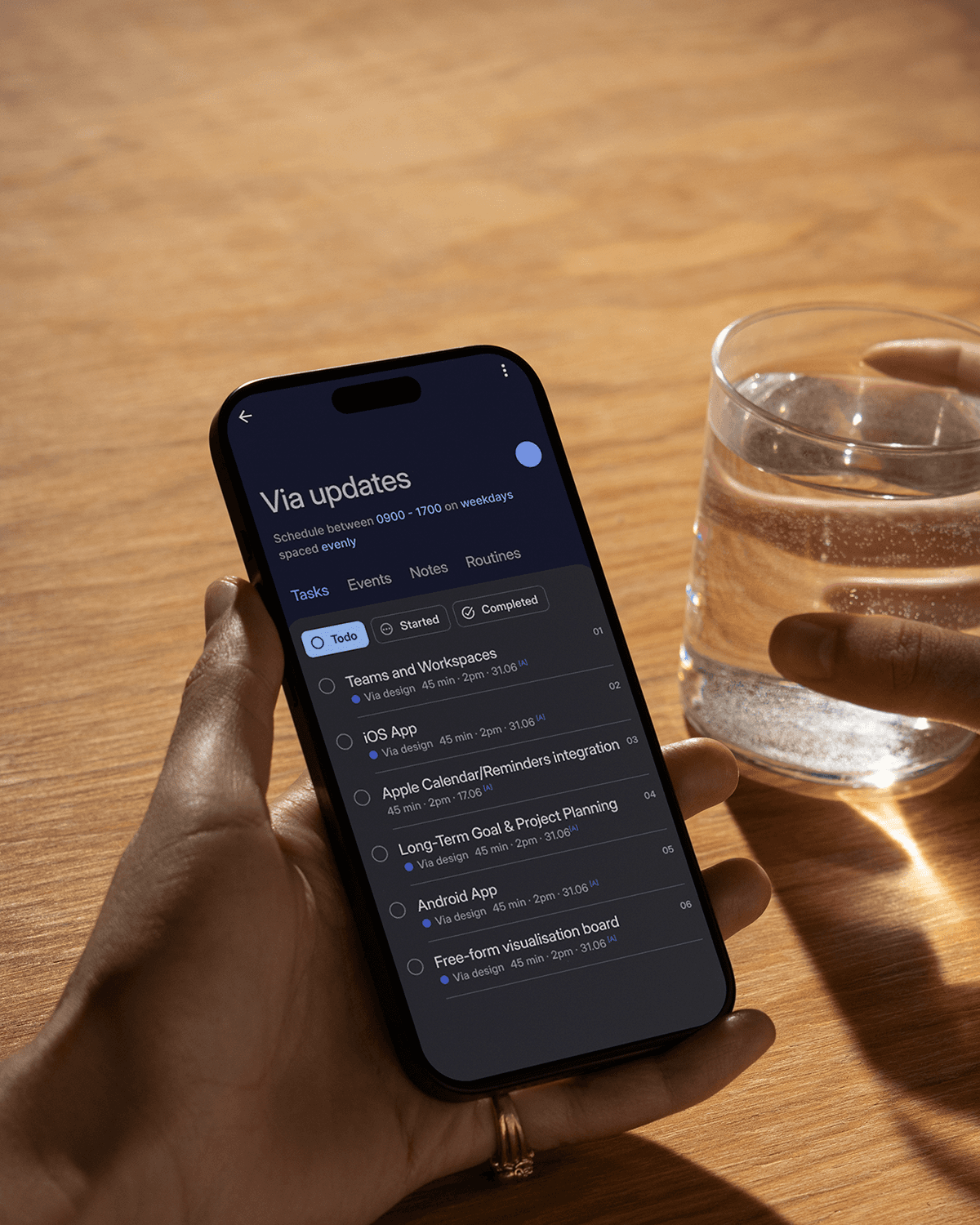
So we built an AI layer that accepts whatever unstructured information you throw at it, a rambling voice note, a half-formed thought, a photo of a whiteboard, and organises it into tasks with estimated priorities, notes, and calendar events where necessary.
We love paper. Writing things by hand is probably the best way to think clearly. But the problem is that what you capture on paper inevitably gets lost. We don't know how many good ideas are hiding in the back of a notebook somewhere.
We didn't want to take away the good part or paper so we allow you to upload photos of handwritten notes, which are transcribed and turned into structured tasks. It means you always have access to those good ideas, and you no longer carry the low-grade anxiety that there's something important buried in your diary from three days ago.
Time Blindness
Prioritisation and capture alone make a huge difference, but they don't help with a subtler problem: figuring out what you can realistically accomplish in a day. We all suffer from a bit of time blindness.
Every single day, we would bite off more than we could chew and finish half of it. We'd end the day feeling defeated, not because we hadn't worked hard, but because the plan was never realistic to begin with.
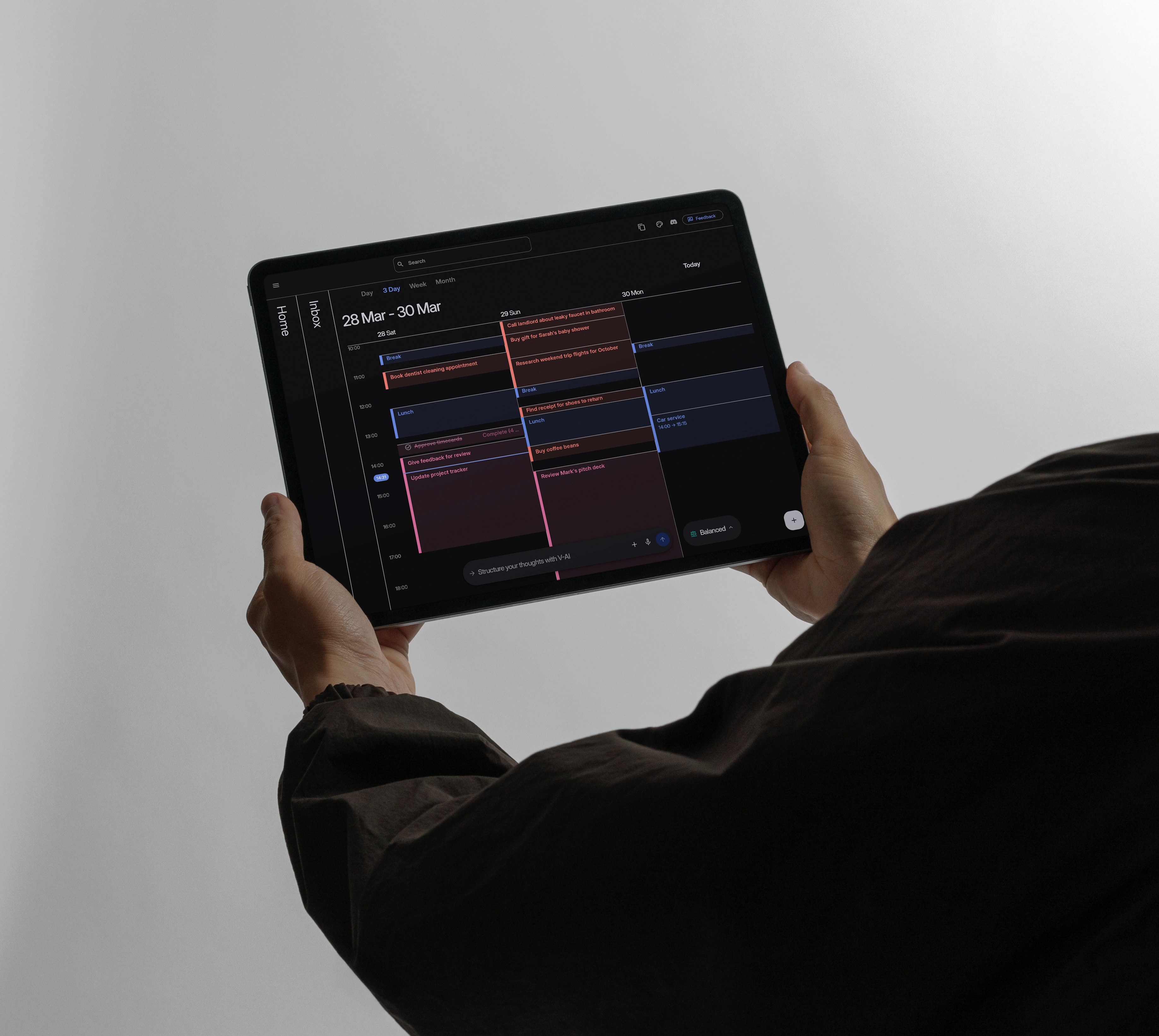
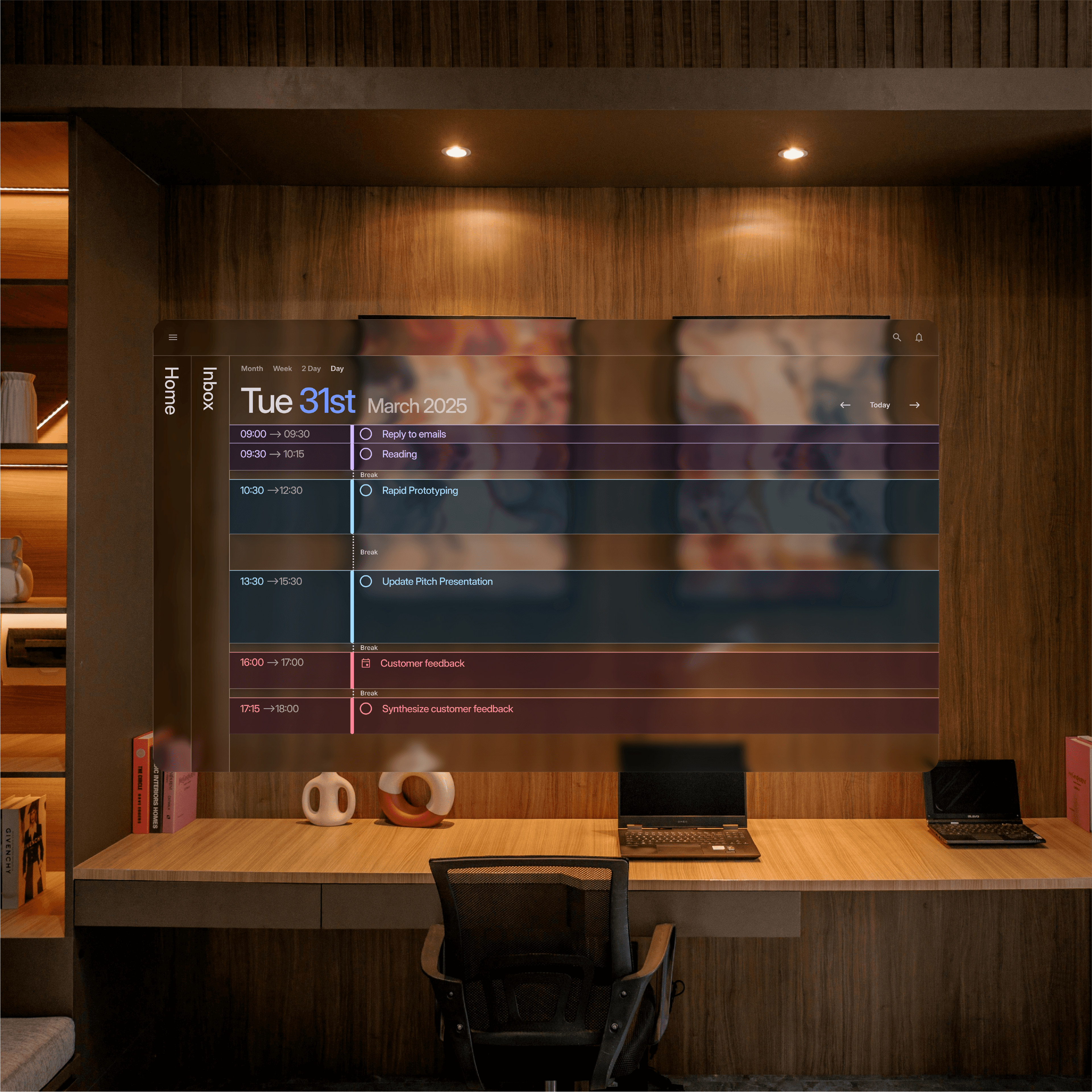
Roadmaps are fine. Time blocks help. But we wanted something more visual and intuitive. So we made the to-do list spatial, your tasks are laid out on a calendar view with their estimated durations, so you can see at a glance whether your day is overstuffed or has room to breathe.
We also built in a time tracker that logs how long each task actually took. It's a small addition, but it solves that nagging feeling of having been busy all day without being able to point to what you accomplished.
Adapting to change
The main problem with planners, paper and digital alike, is how much effort it takes to keep them current. Plans aren't static. They evolve as you learn more. And with a paper list, that means constantly rewriting, reorganising, starting over.
We found that we'd abandon a planning system halfway through a project simply because we'd discovered so much new information that updating the original plan felt like more work than scrapping it entirely.
So we wanted to build a planner that would survive contact with reality. We did this by borrowing schedule optimisation technology from the logistics world, the same kind of thinking that routes delivery trucks and manages warehouse workflows. The system automatically reschedules your tasks based on shifting priorities and your available time, so the plan stays useful even as things change.
Unification
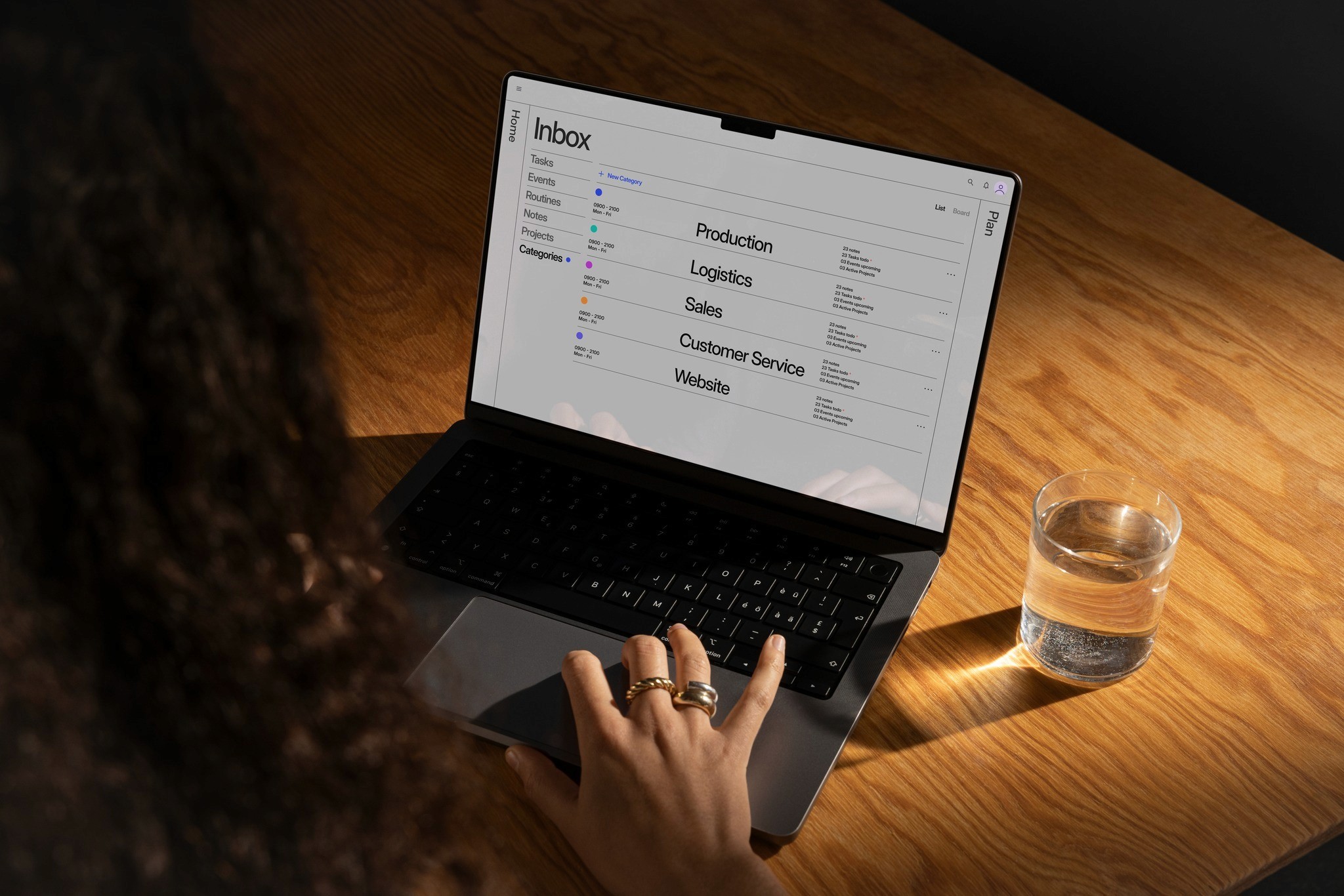
We have yet to find a tool that tracks tasks and stores the information associated with the work itself. We'd find ourselves bouncing between four or five apps, a notes app here, a shared doc there, a bookmark folder somewhere else. That fragmentation is a major shortcoming of most systems.
We wanted everything in one place and easy to access. To avoid overcomplicating things, we opted for a simple note-taking feature, because we found that about eighty percent of the auxiliary information tied to completing a task lives in some notes app anyway. Linking those notes, ideas, and research directly to tasks creates a cleaner, more fluid work experience: less time searching, more time doing.
Putting it all together
Taken together, smarter prioritisation, frictionless capture, a realistic view of your day, automatic adaptation, and everything in one place, we think we've built something that actually works the way your brain does. We're looking forward to sharing more of the process as it evolves.
This is only a starting point we have so much more to learn and improve. To make something truly better we need help from our users, so sign up and try Via and help us build the planner you need.
Subscribe to our newsletter
See also
Discover what productive looks like
30 second setup • 14 day free trial